Repair or replace
Fix the window you have, or replace it? A Hamilton decision guide
If the frame is sound, fix what failed: new glass, a new sealed unit, fresh putty or a worn part. The City of Hamilton's heritage guidance leans the same way for original windows, and suggests storms for comfort. Replace the window when the frame itself is going, the parts can't be found, or you're changing the opening. Plenty of Hamilton houses end up with a bit of both.
Start where the City starts: keep what still works
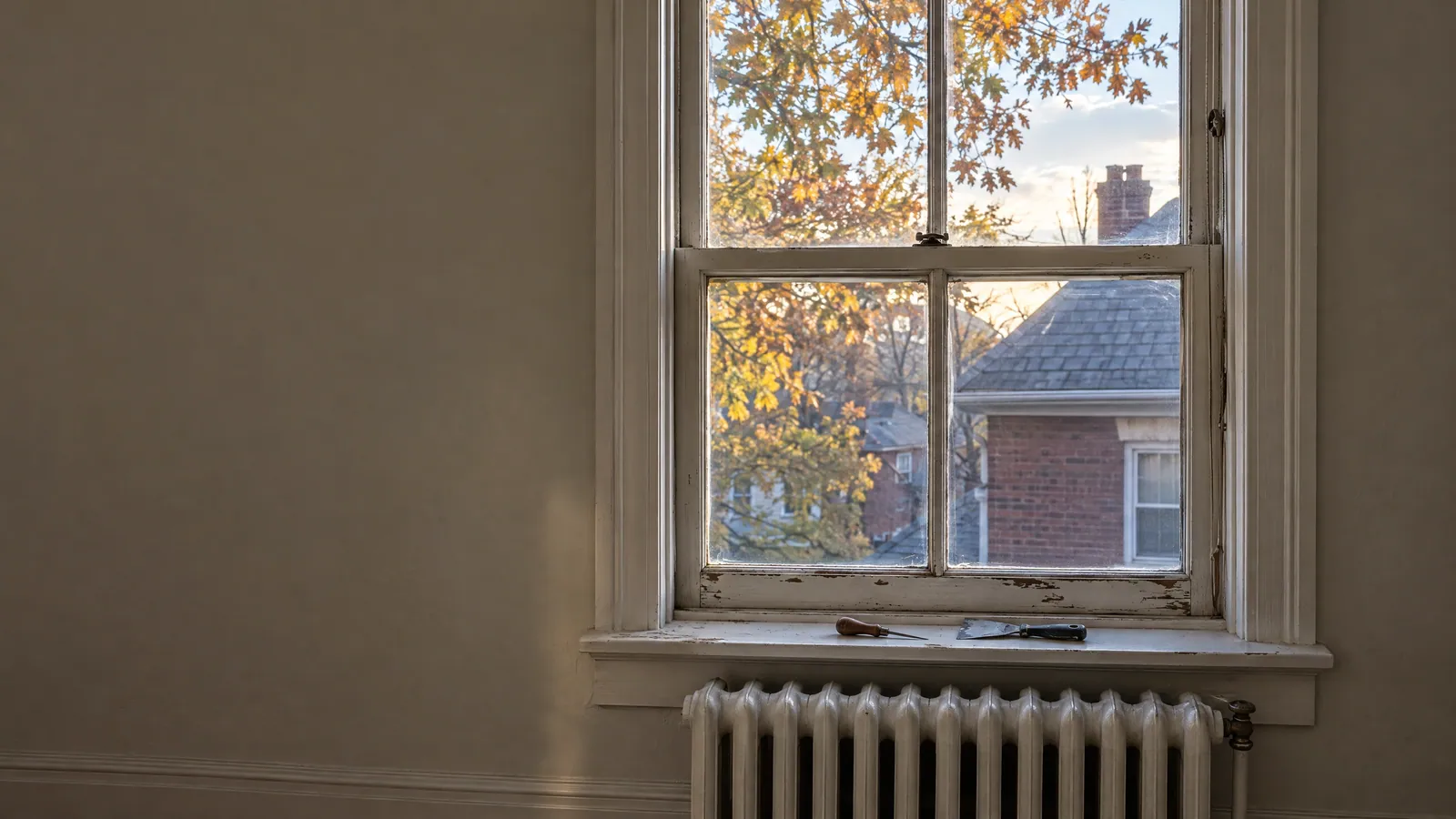
The City of Hamilton doesn't sell windows, and its heritage windows page comes down firmly on the side of repair. It encourages keeping, repairing and upgrading original windows, and it's blunt about modern sealed glass: the seals often fail, sometimes taking the whole sash with them. For drafts and condensation it points to weather-stripping, sealant, fresh putty, and storm windows or interior storm panels.
That advice is written for heritage houses, but the logic works on any street. When one part of a window fails, the real question is whether the rest is worth keeping. More often than people expect, it is.
We connect you with an independent local glass professional who looks at the window in person, confirms what's fixable and quotes. The pro does the work, not us.
Three local windows, three different answers
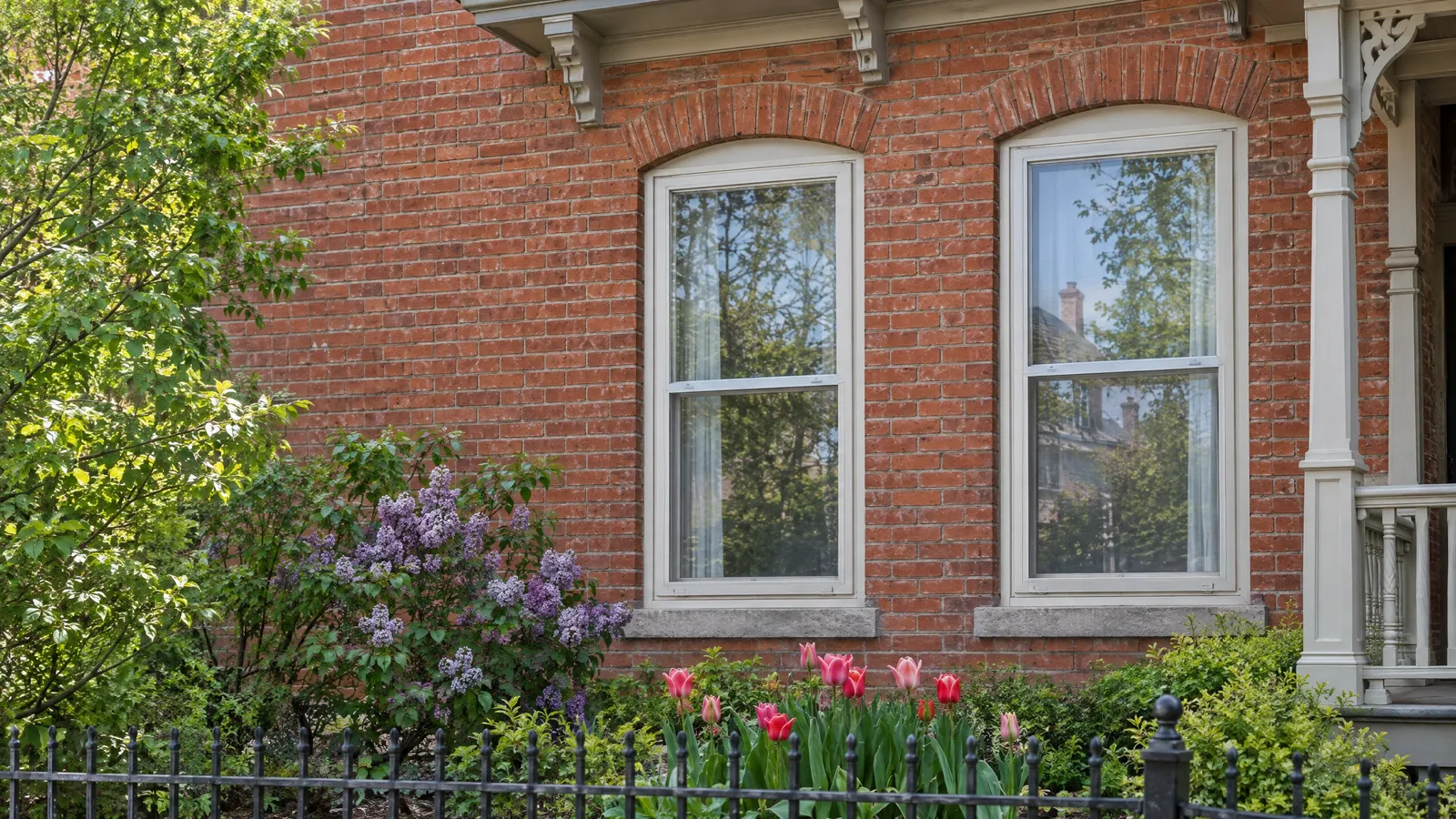
A sash in Durand. A tall wood double-hung in a brick house below the Mountain. Tired paint, one cracked pane, a rattle in the wind. Nothing here says replace: the crack is a glass job, the rattle is usually worn weatherstrip or a loose stop, and the paint is upkeep. In the Durand-Markland district, the glass repair usually needs no Heritage Permit; a new window would. Wood window repair covers what a sash specialist does.
A slider on the Mountain. Up top, the wind hits harder and the snow piles higher than in the Lower City. A slider on an exposed wall sticks, the latch won't catch, and it whistles where the sashes meet. Before anyone prices a new window, check the rollers, latch and weatherstrip. Those are parts, and window repair handles them. A bowed frame or a broken track changes the answer.
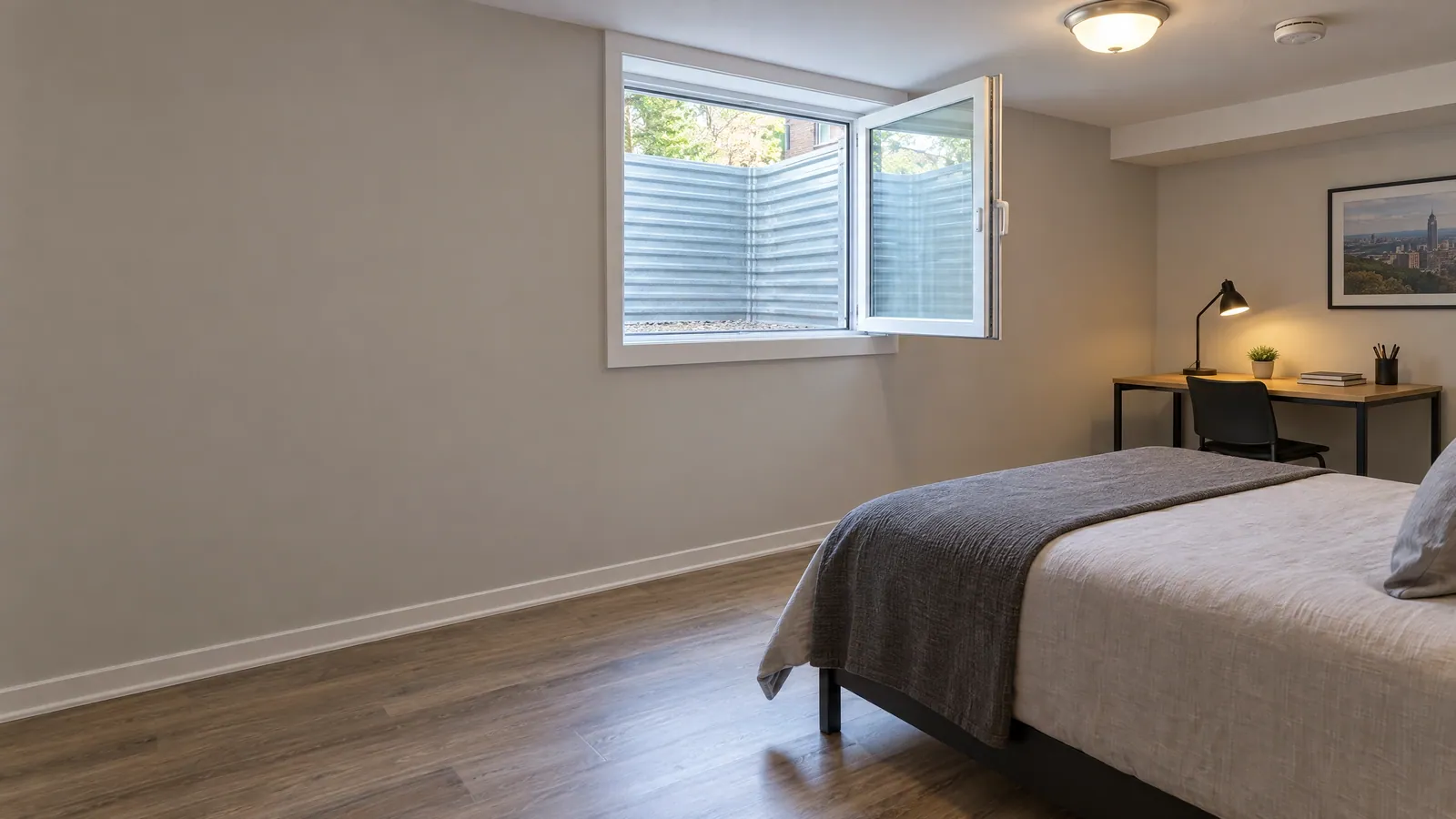
A sealed unit in Waterdown. A subdivision house from when Waterdown grew fast around the turn of the century. One casement has gone milky between the panes. The frame's fine; the seal has failed. That's a new sealed unit, made to measure and set into the existing sash, as the foggy window page explains. On a newer house, check the glass warranty first.
What your house's age tells you
Hamilton's housing is older than its neighbours'. A large share went up before the 1960s, and much of the rest in the decades right after. Age won't diagnose a window, but it hints at what's in the wall.
| Built | What you'll often find | What tends to wear first | Worth trying before replacing |
|---|---|---|---|
| Before 1961 | Wood sash, single panes, often with storms | Putty, paint, sash cords, loose or cracked panes | Reglazing, sash repair, a snug storm |
| 1961 to 1980 | Aluminum or early vinyl sliders, the first sealed units | Rollers, latches, tired seals, fogged glass | New sealed units, rollers, latches, weatherstrip |
| 1981 onward | Vinyl casements and sliders with sealed units | Seals, cranks, hinges, weatherstrip | A new sealed unit or hardware, if the frame is square |
Lots of houses are a mix, with original sash on the front and replacements from a generation ago at the back. Go window by window, not house by house.
Look at the part that's actually failing
The frame and sash. Push an awl into the bottom corners of the sill and sash, where water sits. Firm wood can be scraped, primed and painted, and a small soft patch cut out and filled. Rot running along the sill, a vinyl frame split at a corner, or a frame so out of square that nothing closes: that's when a new window makes sense.
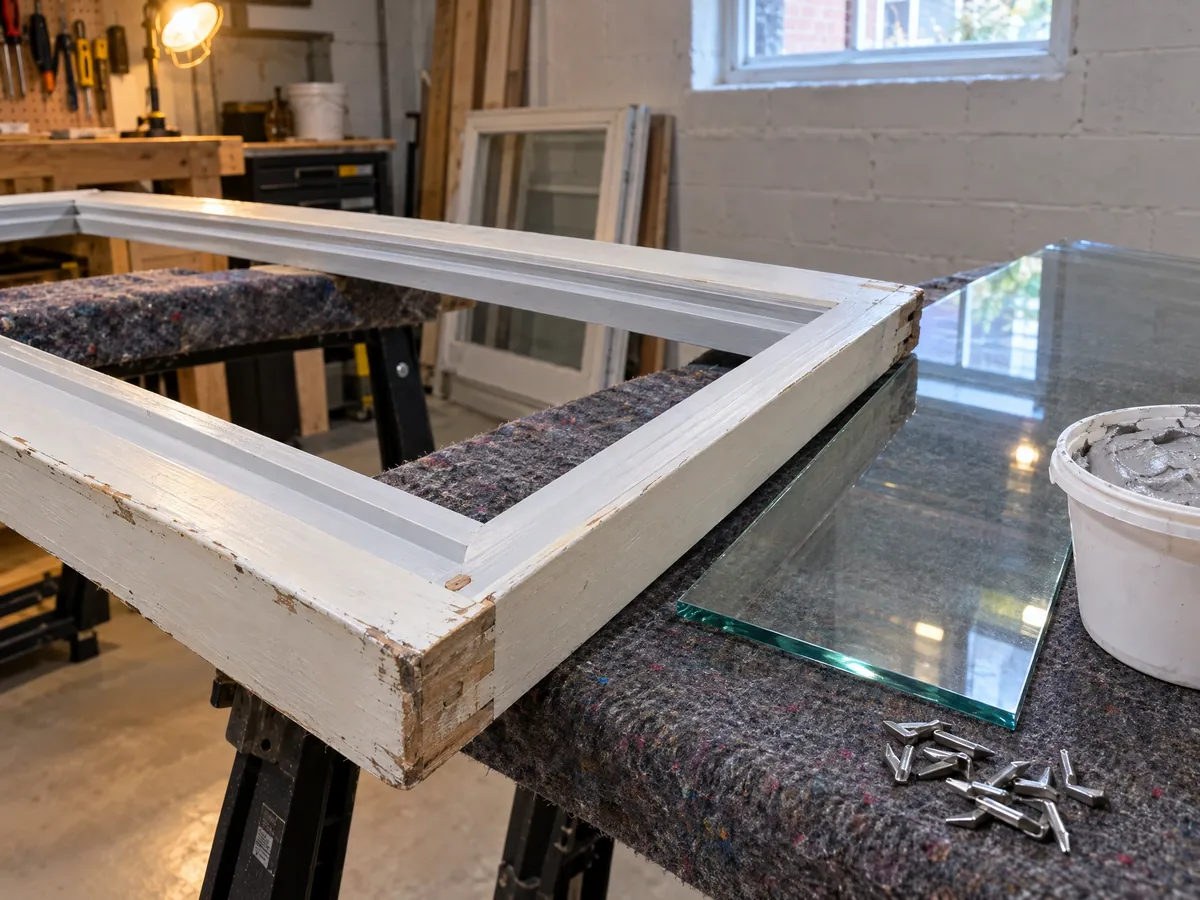
The glass. Fog between the panes, a crack, or a single pane that lets the cold straight through. None of these condemns the window on its own. A sealed unit can be made to fit the existing sash, and a single pane in a wood sash can be reglazed.
The hardware. Cranks, hinges, locks, rollers and balances wear out long before most frames do. The catch is parts. Common ones are easy; parts for an older or discontinued window take some hunting, and now and then they're gone. That's a fair reason to replace, once a pro has actually looked.
Storms: the middle path the City itself recommends
If the complaint is comfort rather than something broken, a storm is the option people forget. A well-fitted storm over a sound wood sash cuts drafts and condensation, which is why the City's heritage guidance names it. Interior panels do a similar job. Storm windows explains the choices for older openings.
On a newer window, new glass restores the insulating gap but won't stop air leaking around the frame. For a frame draft, weatherstrip and sealant come first; if that doesn't hold, a new window is the honest answer, and replacement windows covers that job.
Money: rebates, heritage grants and what moves a quote
No prices here, because a window quote depends on the window. What moves it:
- Glass only, a new sash, or the whole window
- Size, shape and glass type, including Low-E coatings, and tempered glass where the code calls for it
- Access: a second-storey sash, a window in a well, glass behind a storm
- Frame condition, since rot found partway through changes the job
- For a new window, how it's fitted and how much trim has to be redone inside and out
Be realistic about rebates. The provincial Home Renovation Savings program pays per opening for ENERGY STAR certified windows and doors, with a home energy evaluation and at least one other upgrade. New glass, reglazing or hardware doesn't qualify. The City's Better Homes Hamilton loan pilot left windows out and has closed.
Designated heritage properties are the exception: the City offers their owners grants and interest-free loans, described on its heritage windows page. Amounts and intake dates change, so check the current terms before you plan around them.
Permits and heritage approvals for each path
What the City's own pages say, job by job:
| The job | What the City says |
|---|---|
| Repairing broken window glass | Usually no Heritage Permit, even on a designated house |
| Weather-stripping and small like-for-like repairs | Usually no Heritage Permit |
| Replacing or adding windows, doors or storms, removable storms included, on a designated property or in a heritage district | Heritage Permit first |
| Replacing a window at the same size and in the same place | No building permit where no fire-resistance rating is required |
| Cutting a new opening, enlarging one or moving one | Building permit, with the Heritage Permit first where it applies |
Sources: the City's building permit page and Heritage Permits page. Near the LRT corridor, Metrolinx approval may be needed before a building permit. If a job falls between rows, ask the City first. The heritage districts guide covers the permit in detail.
Before you decide: a short checklist
- Note each window's problem: fog, a crack, a draft, a sticking sash, soft wood.
- If the house is older, look it up on the City's heritage map before getting quotes.
- Photograph each problem: the fog, the crack, the soft corner, the latch.
- Where both are realistic, price the repair and a new window.
- Ask for the quote in parts: glass, hardware, labour, trim, disposal and tax.
- Counting on a rebate? Confirm the product qualifies first.
Not sure which way to go? Send photos with a quote request, and the pro we match you with can tell you what's fixable before anyone talks about new windows.
Frequently asked questions
Is it cheaper to replace the whole window or just the glass?
Replacing just the glass is normally the smaller job, since the frame, sash and trim stay put. How much smaller depends on size, glass type, access and whether the sash comes out cleanly. It stops being the better deal when the frame is rotten or split, since new glass won't outlast it. The foggy window page explains how a sealed-unit swap works.
Is it worth repairing old wood windows?
Often, yes. A well-made wood sash can take new putty, paint, cords and weatherstrip more than once, and the City's heritage guidance argues for keeping it. Repair makes less sense when rot has spread through the sill and frame, or when earlier fixes left little original wood behind. A sash specialist can tell you which one you've got; wood window repair explains what they look at.
Does a repair qualify for any rebate?
Not the provincial one. Home Renovation Savings pays per opening for complete ENERGY STAR certified windows and doors, so a new sealed unit, reglazing or new hardware doesn't count. Owners of designated heritage properties should look further: the City runs grants and interest-free loans for them, set out on its heritage windows page.
Should I repair or replace a sliding glass door?
Start with the rollers and the track. A door that drags, jumps the track or won't latch usually needs new rollers, a cleaned or capped track, or a new latch, not a whole new door. Replace it when the frame is bent or rotted at the sill, the glass has fogged and everything else is worn too, or parts aren't made any more. Sliding door repair covers the usual fixes.
Storm windows or replacement windows: which makes more sense?
For original wood sash in decent shape, storms usually do. A good storm cuts drafts and condensation and protects the sash behind it, and the City's heritage guidance recommends that route. In a heritage district it still needs a Heritage Permit, even if it's removable. For a newer window that's actually failing, a storm adds less; the fix there is new glass, new hardware or a new window.
Are triple-pane windows worth it on the Mountain?
They can be, on an exposed wall where the wind comes hard, or where traffic noise bothers you. They're heavier and cost more, and the hardware has to suit the weight. The provincial rebate asks for ENERGY STAR certified units, so whichever you pick, ask the pro to quote both a double- and a triple-pane option and confirm each is certified.