Original wood sash
Bringing original wood windows back into service
A large share of Hamilton's houses went up before the 1960s, and plenty, from the Lower City to old Dundas and Waterdown, still have their original wood sash: painted shut, rattling, or dropping the second you let go. The City's own heritage staff would rather you kept those windows, and it's usually the practical call too. We're a free referral service. We connect you with an independent local pro who restores wood windows, one of the window services we match, and who'll say plainly when a sash is past saving.
- Putty, cords and paint, not a new window
- Pros who take on heritage sash
- Heritage Permit rules in plain words
What gets fixed
What restoration involves: putty, cords and weights, parting beads, paint
An old double-hung is a simple machine: two sashes hung on cords that run over pulleys to iron weights inside the frame. Nearly every piece can come out, get fixed and go back.
Glazing putty
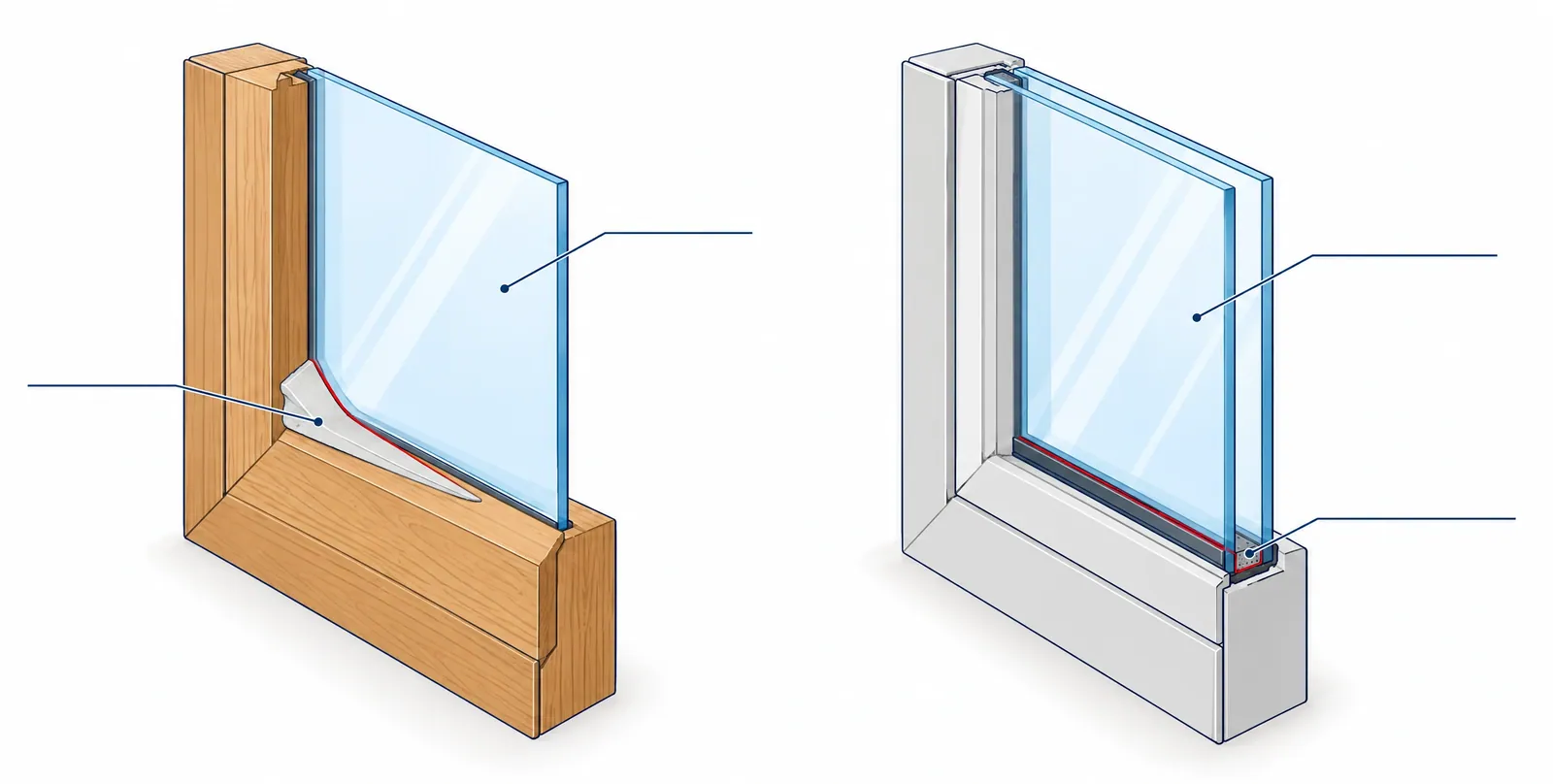
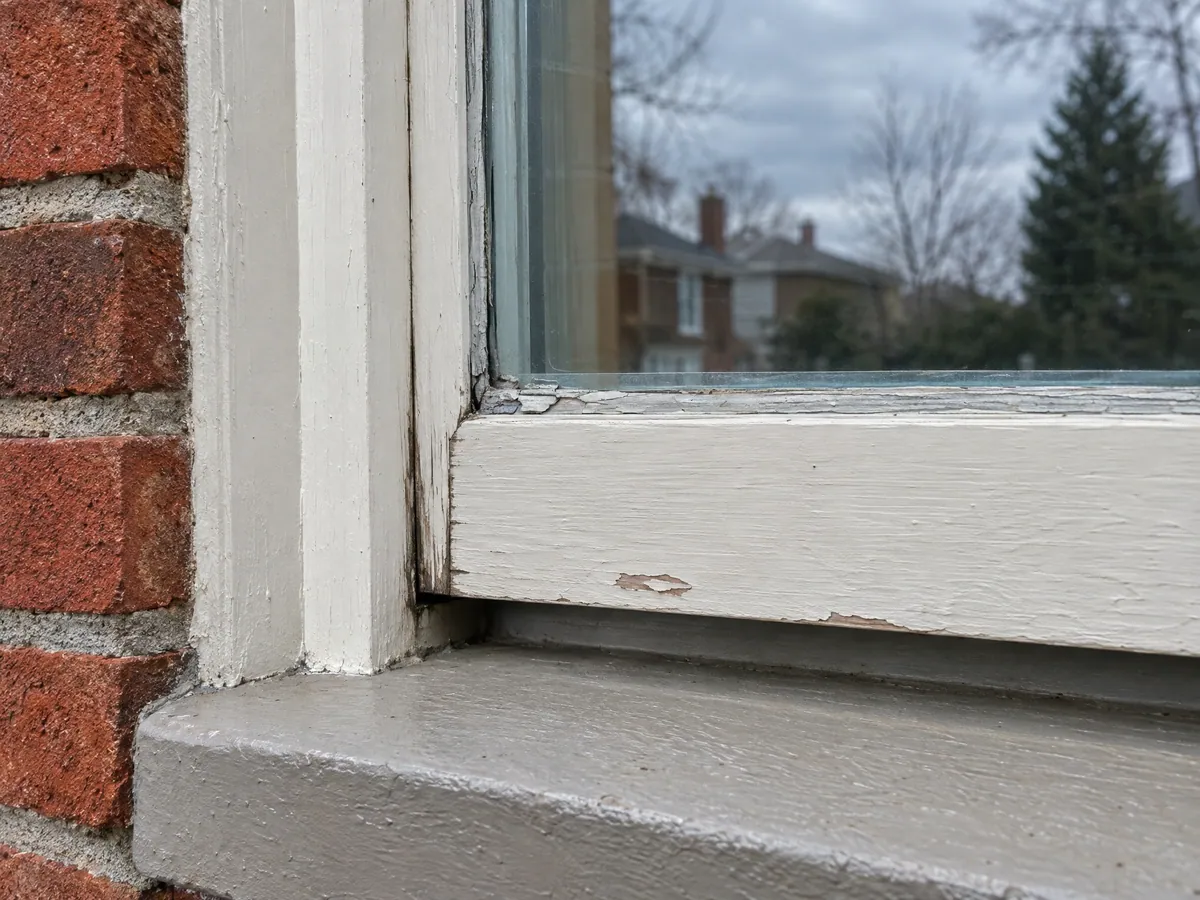
Putty holds each pane and sheds rain. Once it cracks away, water sits on the wood and rot starts. A restorer cuts out the old putty, primes and reglazes.
Sash cords and weights
A sash that slams down has a snapped cord. The pro opens the weight pocket in the jamb, ties in new cord and rehangs the sash. The weights are nearly always still there.
Parting beads and stops
These strips keep each sash in its track. Swelling and old paint make them bind, which is why so many windows are stuck shut. Freeing or replacing them gets things moving.
Paint and soft wood
Sills and bottom rails take the weather first. Small soft spots are cut out and patched, then primed and painted.
Drafts
Stopping drafts while keeping the originals
Most of the cold from an old window leaks around the sash, not through the glass. A restorer fits weatherstrip along the sash edges and meeting rail, rehangs the sash so it sits tight, and seals the outside with fresh putty.
Weather-stripping doesn't usually need a Heritage Permit, even on a designated house, so drafts can be tackled without waiting on an approval.
The second layer
Adding exterior storms or interior panels
The City's heritage guidance names storm windows and interior storm panels as ways to control drafts and condensation on original windows.
Exterior storms
Hung outside the sash, they keep rain and ice off the old wood and add still air. Wood storms suit an older façade best.
Interior panels
Glass or acrylic panels that press in from the room side. The outside of the house doesn't change.
Second-hand storms
Used wood storms turn up in online classifieds. Measure first, check the glass, and remember the Heritage Permit covers storms too. See storm windows.
When repair isn't enough
A new part, a new sash or a full replica?
The City's guidance says replacing originals is usually justified only when little original material is left, or earlier replacements already spoil the building.
A new part
A split sill or rotten bottom rail is made in new wood and spliced in. The rest stays original.
A new sash
If one sash is beyond saving but the frame is sound, a joiner builds a matching one.
A full replica
On a heritage house, the City expects a custom replacement matching the material, profiles, muntins and joinery. Elsewhere you have more choice; see our repair or replace guide and vinyl windows.
What affects the quote
What drives the price of sash work
Restoration is mostly skilled labour. A pro will ask about:
- How many sashes, and what kind
- Putty only, broken cords, or rot that needs new wood
- Workshop repair or work done in place
- Upper floors and ladder access
- Storms, weatherstrip or replica parts added on
Photos of each window, inside and out, are enough for a first answer.
Heritage rules
Heritage properties: what needs a permit and what doesn't
Hamilton has seven long-standing heritage districts, including Durand-Markland and Mill Street in Waterdown, plus Melville-Park West in Dundas (2026). Many more houses are designated individually; the City's heritage mapping shows yours.
If it's covered, replacing or installing windows or doors needs a Heritage Permit first, and that includes removable storm windows. There's no fee. Repairing broken glass, weather-stripping and like-for-like small repairs usually need no permit. See the Heritage Permits page or our heritage district guide, and ask the City's heritage planner if in doubt.
Grants and loans
Grants and loans for designated homes
Owners of designated properties can apply to the City's Heritage Revitalization Grant and an interest-free Heritage Revitalization Loan, both listed on the heritage windows page. Amounts and intakes change, so check there first. An itemized written quote from the pro makes the application easier.
Questions
Wood sash questions
Explore your options
Related window work
The pros we work with restore wood sash in the older neighbourhoods and former towns, including Durand, Kirkendall and Locke Street, Downtown Hamilton, Dundas and Waterdown.
Send photos of the sash, inside and out
Tell us how many windows and whether the house is designated. We'll pass it to a local pro who restores wood sash, and they'll get back to you.