For landlords
Rental licensing, windows and screens: what Hamilton landlords should know
If you rent out a house or a small building in Wards 1, 8 or parts of 14, you probably need a City rental housing licence; the program became permanent in December 2025. We can't quote you a window rulebook for it, and the City's licence page is the one to read. But property standards were part of why the program started, so broken glass, torn screens, locks that don't lock and bedroom windows that won't open are the first things to fix.
Who needs a rental housing licence, and where
Hamilton ran rental housing licensing as a pilot first. It started after residents, owners and students raised complaints about illegal units, absentee landlords and property standards (City announcement). In December 2025, Council made the program permanent in the same areas: Wards 1, 8 and parts of Ward 14.
According to the City's Rental Housing Licence page, it covers rental buildings with five or fewer self-contained units, detached houses and townhouses included. Council also asked staff to report back on expanding it, so the area may grow.
We won't guess which streets fall in which ward. Ward lines don't follow neighbourhood names neatly, so look up the address on the City's page before you assume either way.
Why window, door and screen condition comes up
Property standards were one of the complaints that started the program, and windows and doors sit right on that line. A broken pane lets the weather in and makes a unit easy to break into. A bedroom window that's painted shut can't be used to get out. A door that won't lock is a security problem for the tenant, and a torn or missing screen is the first thing anyone notices in a humid Hamilton summer.
We don't restate the City's licensing requirements here; they're the City's to set and they can change. Read the licence page and ask the City what applies to your building. What follows is good practice for getting windows and doors ready, not a legal checklist.
Bedroom windows and egress in converted houses
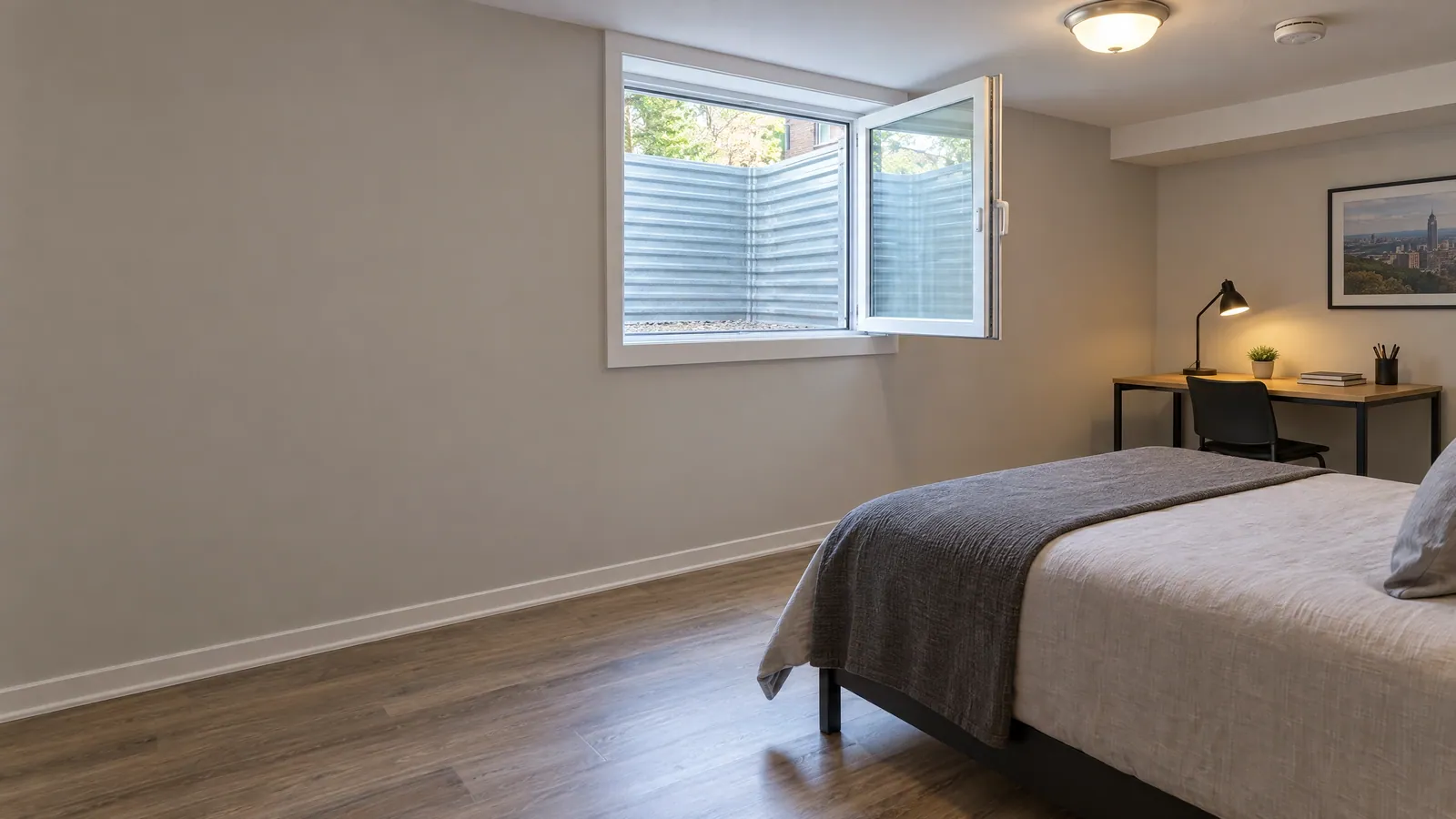
When a house is split into units, bedrooms often end up in basements and attics that weren't bedrooms when it was built. That's where the window rules bite hardest.
Under the Ontario Building Code, a bedroom without a door straight to the outside needs a window that can serve as a way out. In plain terms, that window has to:
- open wide enough, giving a clear opening that meets a minimum area and isn't too narrow in either direction
- open from the inside without tools, and stay open on its own
- sit low enough on the wall to climb out of
- have clear space in front of it if it opens into a window well
The exact figures are in the code. The 2024 Ontario Building Code is the edition in force, so have the pro or your designer confirm them for your window.
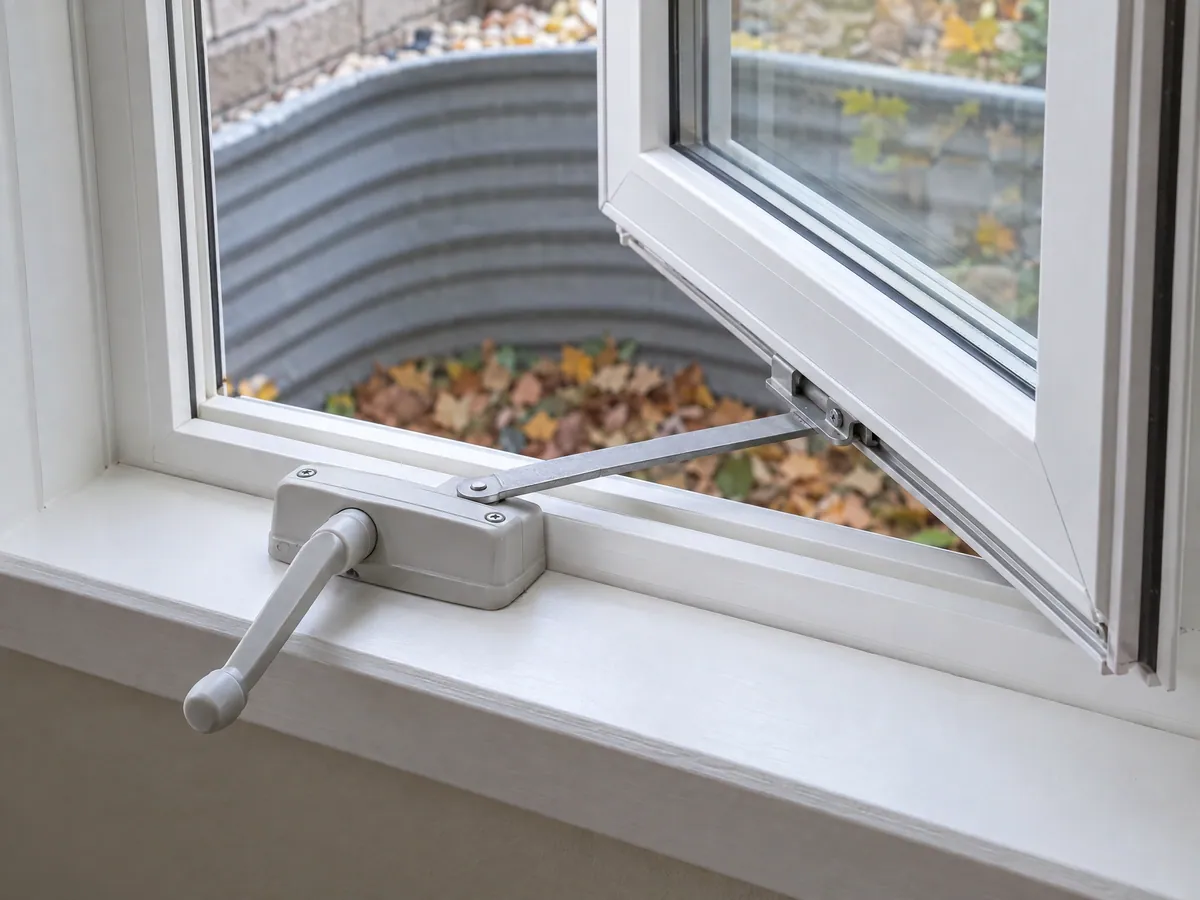
Two practical points. Making a basement window opening bigger is a building-permit job in Hamilton: the City's building permit page lists creating or enlarging window openings. And an egress window only works if it opens, so check that cranks aren't stripped, sashes aren't painted shut and the window well isn't full of leaves or snow. Sliding and double-hung windows covers repairs for the other common styles.
Safety glass: doors, showers and low glazing
Some glass has to be safety glass: tempered, which breaks into small blunt pieces, or laminated, which holds together when it cracks. The Ontario Building Code requires it in:
- sliding glass doors
- storm doors
- shower and bathtub enclosures
- sidelights wide enough to be mistaken for a door
- entrance doors where a large area of glass comes down low
When one of these breaks in a rental, it gets replaced with safety glass, not whatever's handy. A shower door or patio door re-glazed with ordinary glass is a hazard left for the next tenant. Shower glass doors covers enclosures, and broken window glass covers a pane broken anywhere else. Confirm the current code with the pro before ordering.
A pre-inspection walk-through: glass, screens, locks, seals
Before an inspection, or before new tenants move in, walk every room with the windows open. Good practice, room by room:
- Glass. Cracks, chipped edges, broken panes in storms, and fog between the panes of sealed units.
- Opening and closing. Every window opens, closes and latches. Cranks turn, sashes move without a shove, nothing is painted or screwed shut.
- Locks. Window latches catch. Patio doors lock and the lock actually holds. Entry doors lock and the frame isn't split at the strike plate.
- Screens. Present, fitted and not torn. A screen that pops out of a slider in the wind usually needs new spline or clips, not a new window.
- Seals and weatherstrip. Drafts at the sash, daylight around a door, water on the sill after rain.
- Bedroom windows. Each one opens fully, and the way out isn't blocked by furniture, bars or a snowed-in window well.
Write down what you find, unit by unit, with a photo of each problem. It turns straight into a list a pro can quote from. Window screen repair covers the screen side in more detail.
Student houses near McMaster and heritage-designated rentals
McMaster's main campus sits right beside Westdale, and the neighbourhood has a lot of students. In student houses, turnover tends to follow the school year, which gives you a short window between leases to sort out glass and screens. It also means the same latches, cranks and screens get used hard by a new group every year. Westdale & Ainslie Wood has more on the houses there. As with any address, check the ward rather than assuming.
Being a rental changes nothing about heritage rules. If the house is designated or in a Heritage Conservation District, replacing windows, doors or storms needs a Heritage Permit first, while repairing broken glass usually doesn't. The heritage districts guide explains how to check and what the permit involves.
Scheduling repairs between tenancies
Turnover is the easiest time for window and door work: no belongings in the way, nobody working from home, no access to arrange. It's also short, so plan backwards.
- Book the walk-through as soon as you know the move-out date.
- Anything custom, like a sealed unit, a safety-glass shower door or a replacement sash, is made to measure after the pro measures. Get those measured first.
- Screens, weatherstrip, latches and rollers are often a single visit.
- If glass breaks mid-tenancy, make the opening safe right away, then schedule the lasting fix and tell the tenant what's happening.
We connect landlords with independent local glass pros; the pro quotes and does the work. You can put several units in one request. List each one with its problem, and we'll pass the whole list on. The property managers page explains how larger portfolios are handled, or you can send your unit list with a quote request.
Frequently asked questions
Which window and door problems should landlords in the licensed wards fix first?
The ones that affect safety and everyday use: broken or cracked glass, windows that won't open or latch, bedroom windows that can't be used as a way out, missing or torn screens, and doors or patio doors that don't lock. The City sets its own requirements, so treat this as a practical order of work, not the rulebook. If a pane is already broken, see broken window glass repair.
Do basement bedroom windows have to meet egress rules?
If the room is used as a bedroom, yes. The Ontario Building Code expects a bedroom without an exterior door to have a window that opens from inside without tools, gives a minimum clear opening, stays open on its own and has room in front if it opens into a window well. Enlarging the opening needs a City building permit. Keep the well clear of snow and debris so the window can do its job.
Can screens and glass be done between tenancies?
Yes, and it's the easiest time. Screens, latches, rollers and weatherstrip are often a single visit. Sealed units and safety glass are made to measure, so get them measured as soon as you know the move-out date. Put every unit in one request with the problem in each; the property managers page explains how longer lists are handled.
Who's responsible for a broken window in a rental, the tenant or the landlord?
That's a tenancy question, and it depends on how the window broke and on the lease. Ontario's tenancy rules settle disputes, not the glass pro. Whoever ends up paying, the opening should be made safe right away. Take photos, keep the written quote and the invoice, and sort out the bill afterwards. We connect whoever is arranging the repair with a local pro.
Does a heritage-designated rental need approval for window changes?
Yes. Being a rental doesn't change the heritage rules. On a designated property or in a Heritage Conservation District, replacing or adding windows, doors or storms needs a Heritage Permit before the work starts, removable storms included. Repairing broken glass usually doesn't. There's no fee, and the City's Heritage Permits page explains the process.