Tabletops & shelves · Hamilton
Tabletop glass and shelving, cut and finished to fit
A sheet of glass saves a good wood table from rings and scratches, and a cracked top or a missing shelf is a simple piece to replace. We connect you with an independent local glass professional who cuts, edges and, where needed, tempers glass for tables and shelves in your home. Send the size and shape, and they'll quote it.
- Protective tops for wood furniture
- Rounds, ovals and traced shapes
- Polished edges you can lean on
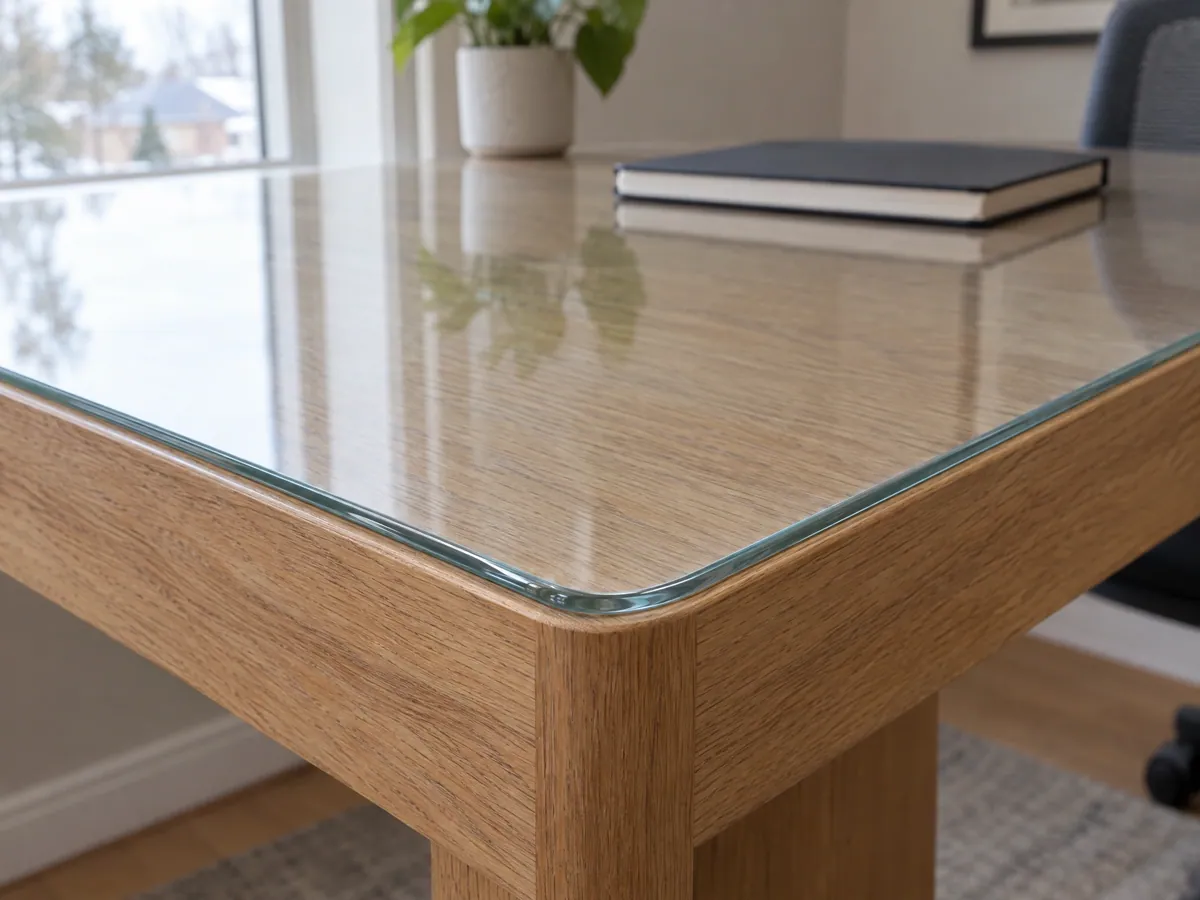
Two kinds of top
Protective tops versus structural tabletops
Hamilton has no shortage of old furniture, and Locke Street is known for its antique shops. Plenty of those finds come home needing glass: a top for a veneer, a missing china-cabinet shelf, a door pane cut to size. For tops, start with which kind you need.
Protective top
Laid over wood, paint or inlay on small clear bumpers. It carries only what's set on it, so thinner glass is common.
Structural top
The glass is the table, spanning a base. It needs to be thicker and, in most homes, tempered, and the pro sizes it to the base.
Strength
Tempered or plain glass for a table?
Tempered glass is stronger, copes better with a hot dish, and breaks into blunt pieces. For a structural top, a coffee table kids play around, or anything someone might sit on, it's the safer pick.
Plain glass suits many protective tops lying flat on a solid table, and it can be trimmed later. For an outdoor kids' table, acrylic or polycarbonate is lighter still.
Measuring
Measuring a table, odd shapes included
First decide where the glass stops. Just short of the edge protects the wood without catching sleeves; flush looks cleaner.
Rectangles
Measure length and width at both ends. Old tables are often slightly out, so give both if they differ.
Rounds
Measure the diameter through the centre in two directions.
Ovals and free shapes
Trace the table on kraft paper, cut it out, test the fit and mark the top side. Photograph it with a tape measure on it.
Edge work
Edges, corners and shapes
Any edge you'll touch gets ground and finished. The profile changes the look, too.
Flat polished
Square and polished clear; the usual choice for tops you lean on.
Pencil
Softly rounded and easy on forearms and sleeves.
Bevel
A sloped border that suits older pieces and mirrors.
Corners
Rounded corners are kinder to shins, especially on a coffee table.
Shelves
Shelving for cabinets, displays and bathrooms
Cabinet and display shelves sit on pins or clips. Measure the inside width and depth, and check the pins line up on both sides. A long shelf may need thicker glass so it doesn't bow under dishes or books.
Bathroom and shower-niche shelves get polished edges and usually tempered glass. Redoing the shower glass too? The same pro can often handle both.
What affects the quote
What drives the price of tabletop glass
Each top is made to order, so the quote follows the piece:
- Size and thickness
- Tempered or plain glass
- Shape: rounds, ovals and traced shapes take longer
- Edge profile and corners
- Holes, such as for a patio umbrella
- Pickup or delivery, and carrying a heavy top in
Send the size and shape, or a photo of your paper pattern beside a tape measure.
Questions
Tabletop and shelf questions
Explore your options
Other glass jobs we can help with
Local pros cut tabletops and shelves across the city, including Kirkendall & Locke Street, Crown Point & Ottawa Street, Westdale and Ancaster.
Send the table's size and shape
We'll pass it to a local pro who cuts tabletop glass, and they'll tell you whether it should be tempered.