Glass cut to size · Hamilton
Glass cut to size for sash, storms, cabinets and tables
Lots of house glass jobs need only the right piece: a pane for an old wood sash or a storm, a cabinet door, a picture frame. We connect you with an independent local glass professional who cuts to size. Send the measurements and what it's for; they'll say which glass the job needs, quote it, and tell you whether to pick it up or have it fitted.
- Single panes for old sash and storms
- Plain, tempered or laminated, matched to the job
- Pick it up, or have it fitted
Measuring
What to measure before you ask
Use a steel tape and stick to one unit, inches or millimetres.
Width, then height
Measure the opening, not the old glass, at two or three points, and give the smallest.
Thickness
Measure the old glass's edge or bring a piece. Old sash glass is often thinner than modern glass.
Shape and holes
Note arches, clipped corners and holes for knobs or hinges. A straight-on photo with a tape in the shot helps.
Glass types
Plain, tempered or laminated: matching glass to the job
Where it's going decides the glass. The Ontario Building Code calls for tempered or laminated safety glass in doors, sliding and storm doors, door-like sidelights, shower enclosures and glass guards. Elsewhere, plain glass is often fine.
Plain (annealed)
Can be cut and drilled at any time, so it's used for sash, storms, frames and many cabinet doors. Breaks into sharp pieces.
Tempered
Heat-treated after cutting: much stronger, breaks into blunt pieces, and can't be cut afterwards.
Laminated
Two layers bonded to a clear interlayer that holds the pieces if it breaks.
Older houses
Old sash and storms: a new pane, not a new window
Plenty of Lower City houses predate the 1960s and still have wood sash and storms. The City's own heritage windows guidance favours repairing original windows, and a new pane is the simplest repair there is.
Bought second-hand storms? Check the glass as well as the frames. On a designated property or in a heritage district, installing storms, even removable ones, needs a Heritage Permit; fixing broken glass usually doesn't.
Get the old glass out
Old putty is hard and old glass brittle, so wear gloves and eye protection. Our page on wood window repair covers the sash itself.
Measure the opening
Measure inside the rebate at a few points. Old sash is rarely square, so the pro allows some clearance.
Cut and set
Plain glass goes in with glazing points and putty. A cracked sealed double-pane unit is a different job: see broken window glass.
Around the house
Cabinet, furniture and picture glass
Not all the glass in a house is in a window.
Cabinet doors
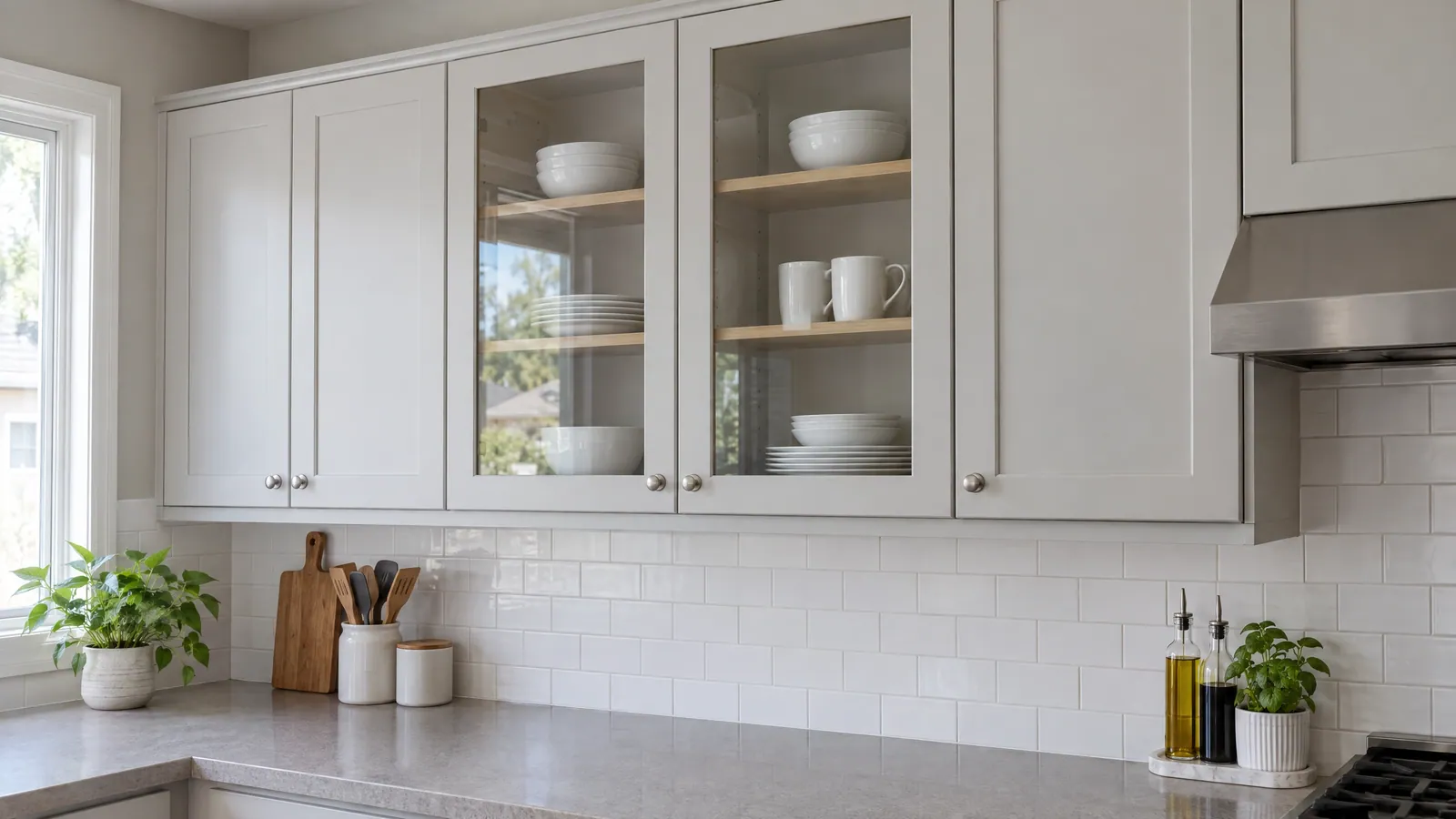
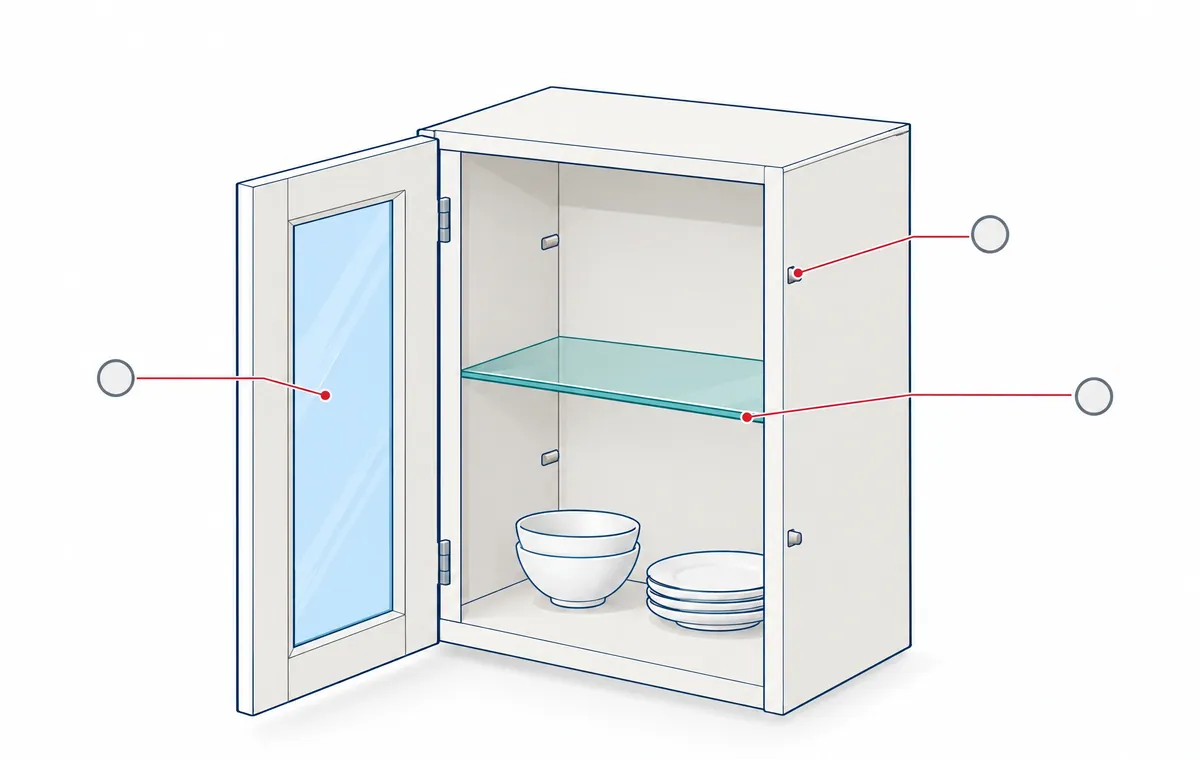
Plain or tempered glass cut to the door's rebate, sometimes frosted to hide the shelves.
Tabletops and shelves
Polished edges, often tempered. See tabletops and shelves.
Frames and displays
Thin plain glass, or non-glare. For a frame that gets knocked about, acrylic sheet is tougher.
Mirror
Cut the same way as glass. See custom mirrors.
Pickup or install
Pick it up, or have it fitted?
For a frame, a shelf or a pane you'll glaze yourself, pickup is simplest and usually costs least, where offered. For a sash still in the house, a storm up a ladder or anything tempered, have it fitted, so the fit is the pro's problem.
What affects the quote
What goes into the price of cut glass
Priced piece by piece, on:
- Size and thickness
- Plain, tempered, laminated or frosted glass
- Shape, from simple rectangles to circles and arches
- Edge: seamed for a sash, polished for anything you'll touch
- Holes, made before any tempering
- Pickup or fitting
Tempered pieces take longer, because tempering comes after cutting.
Questions
Cut-to-size glass questions
Explore your options
Related glass and window jobs
Local pros cut glass for older houses across the city, including Durand, Kirkendall & Locke Street, Downtown Hamilton, Dundas and Waterdown.
Send your measurements and what the glass is for
We'll pass it to a local pro who cuts to size, and they'll tell you if the frame needs work too.